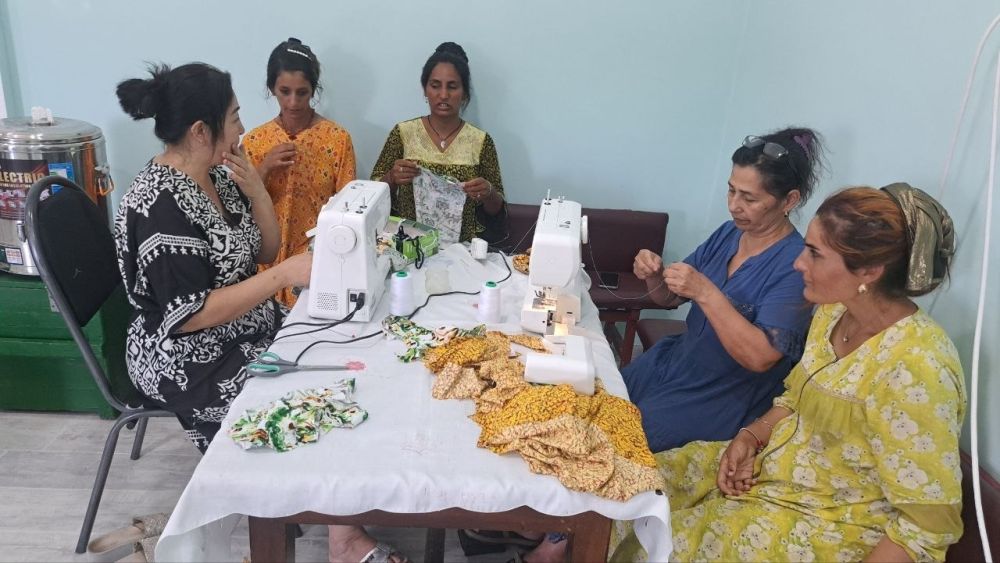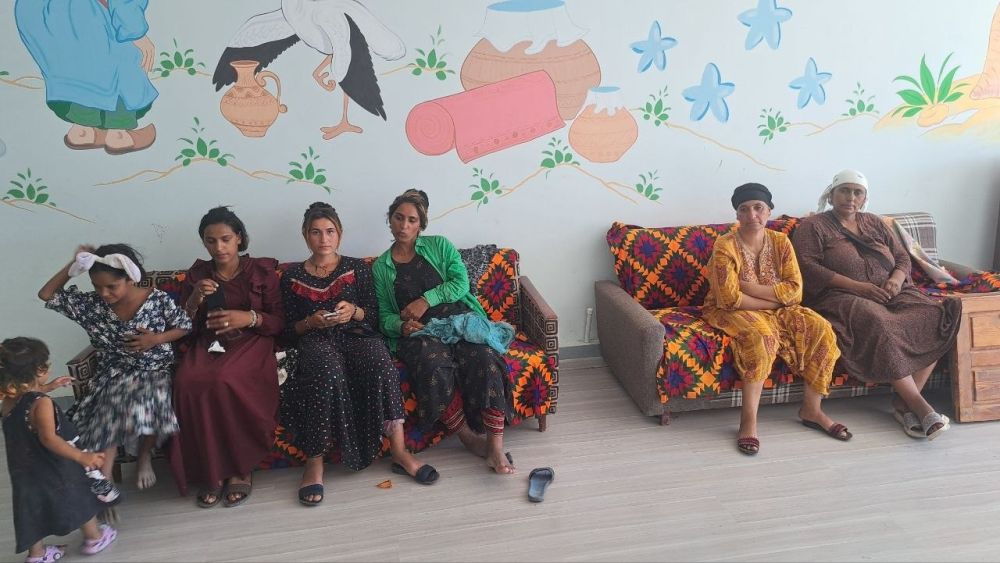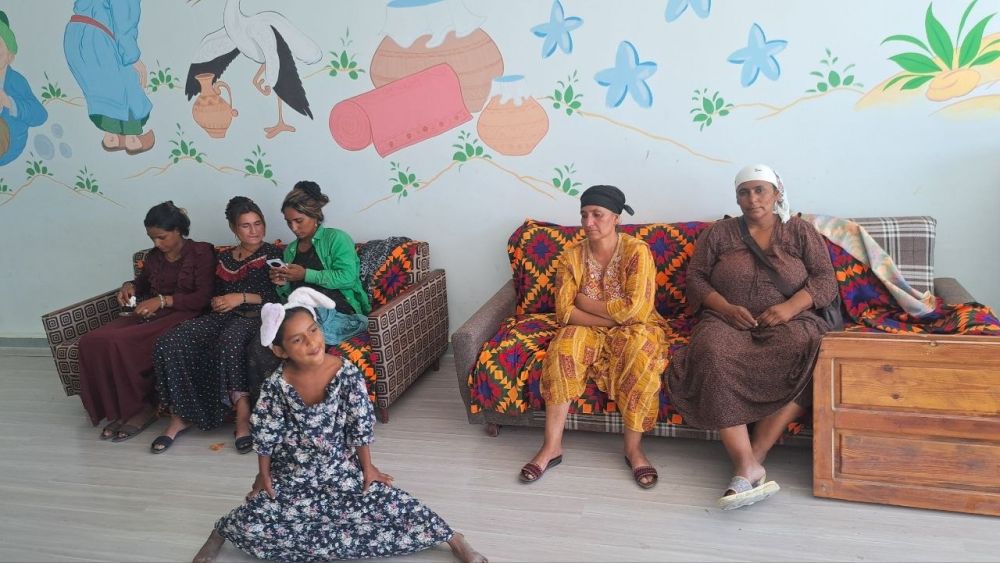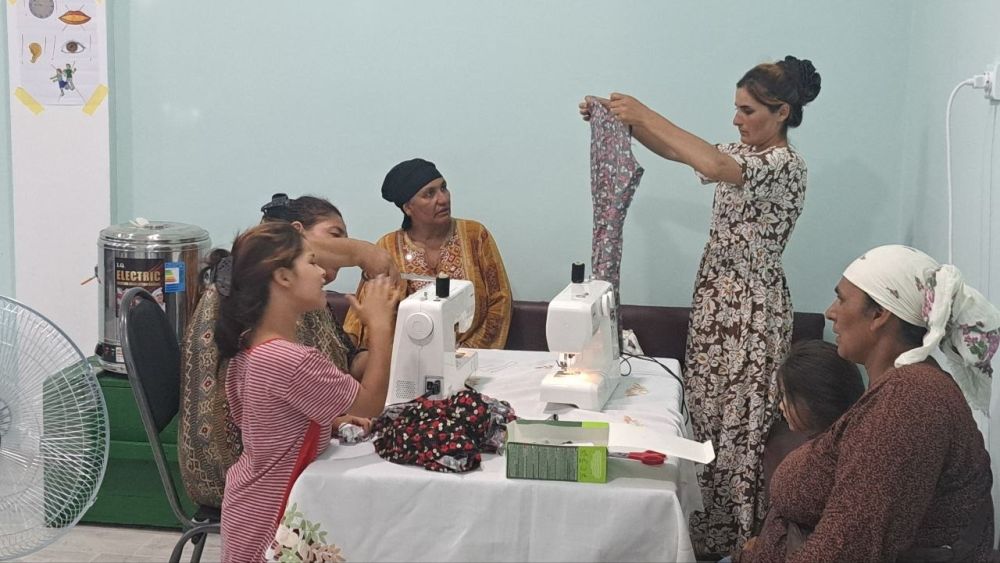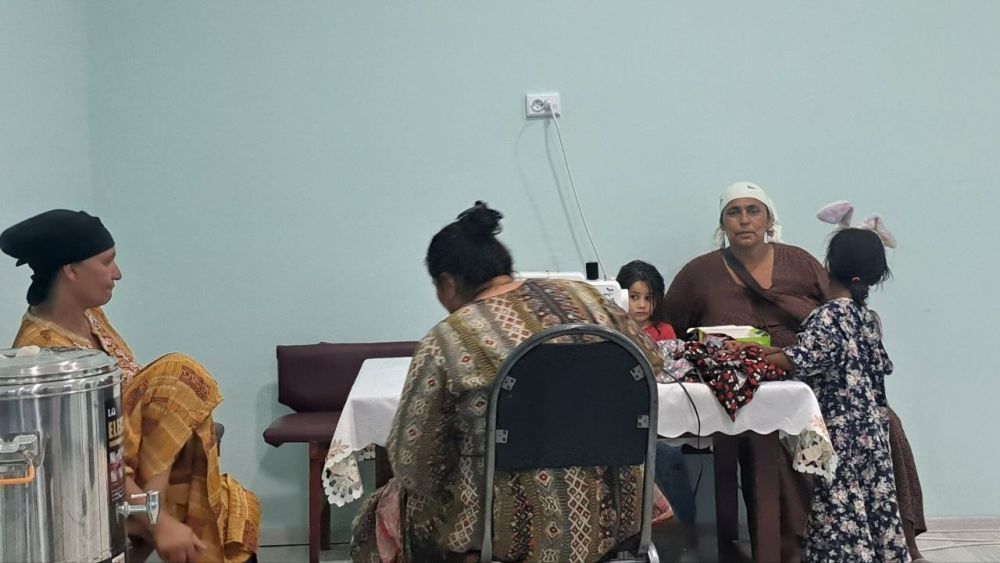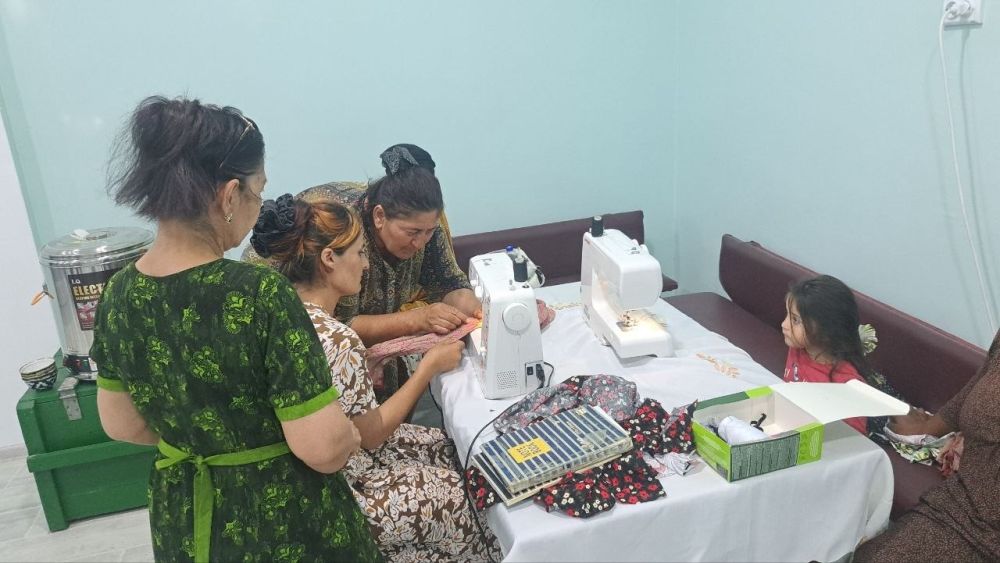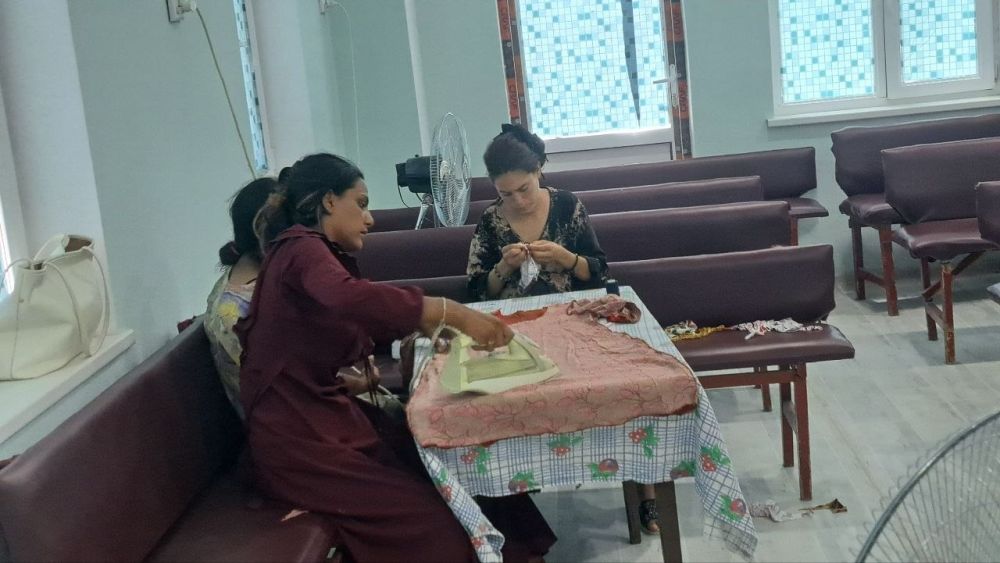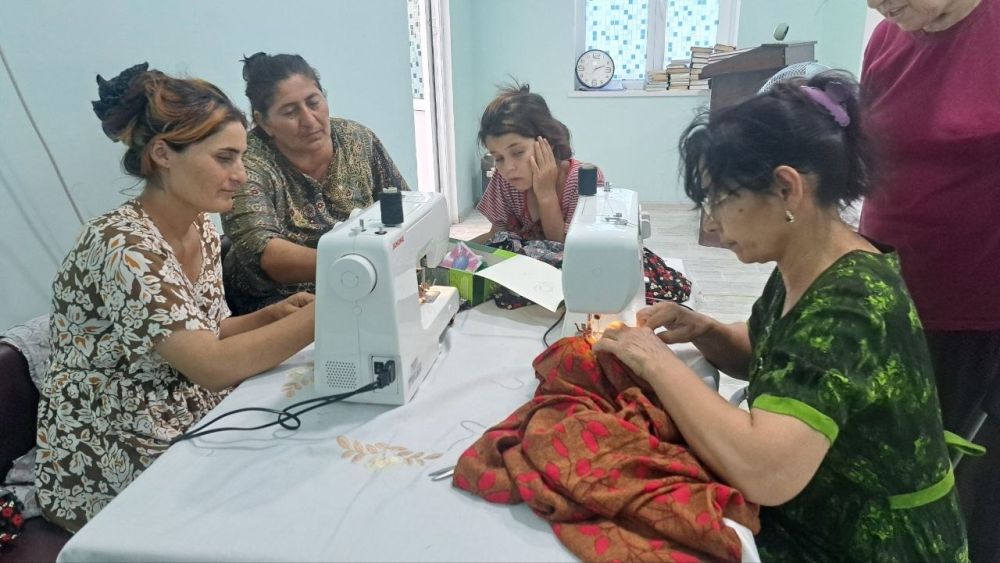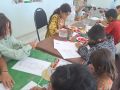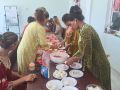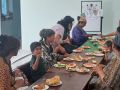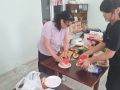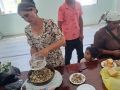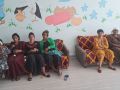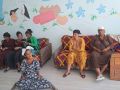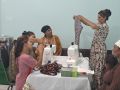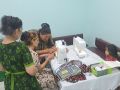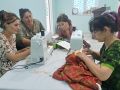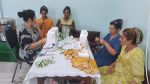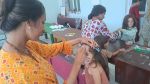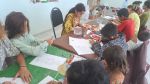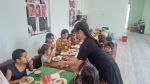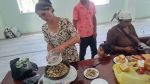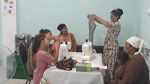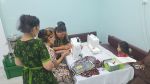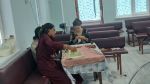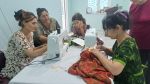
Those words were spoken by one of the Mugata women learning to sew during a conversation held during a break in one of the classes.
The instructors—believing Uzbek and Tajik sisters in Christ—use every opportunity to talk with the women about God's design for family life: how husbands and wives should treat one another, how children should be raised, and what values they should be taught.
"We're living the wrong way!" one of the women suddenly exclaimed. "We have children so they can work for us. That's wrong! It shouldn't be that way!"
Sadly, this is the reality.
During her previous visit, Sister Vera was walking through town when she suddenly heard a child calling her.
- Vera-apa! Vera-apa!"
Turning around, she recognized one of her former students, an eight- or ten-year-old boy.
"What are you doing here?" she asked.
"I'm working."
"And what kind of work do you do?"
"I wash car headlights. I clean car windows. Look!"
He lifted the edge of his shirt, revealing a thick stack of local currency tucked into the waistband of his shorts.
"I earned this."
Vera had already learned that many parents require their children to bring home a substantial amount of money every single day. If they fail to earn enough, they are beaten or denied food. Meanwhile, many of the parents themselves do not work at all.
The women ask many questions, thoughtfully discuss the answers, and reflect on what they hear. It is evident that these conversations touch their hearts and cause them to reconsider their own lives.
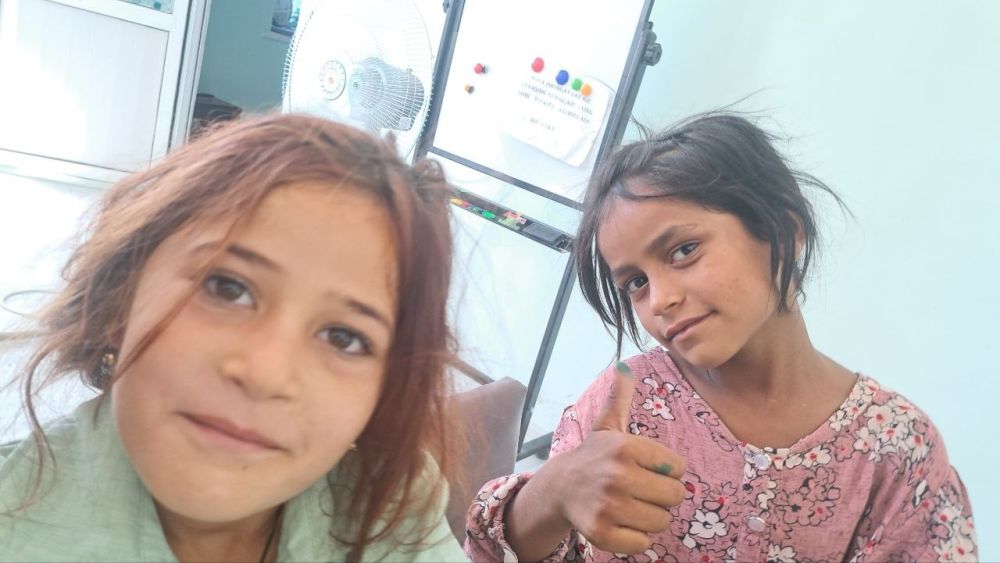
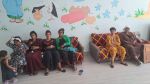
The ministry team also spends special time talking with the teenage girls. Among the Mugata community, it is still considered normal for girls to marry—or for parents to arrange marriages for their children—at the ages of twelve or thirteen.
"It is harmful for you to marry so young," the sisters gently explain. "Your bodies are still developing. You need time to grow, to study, to learn about God and His ways, and to prepare for family life. Ask the Lord to guide your future, and don't rush into marrying the first person who comes along."
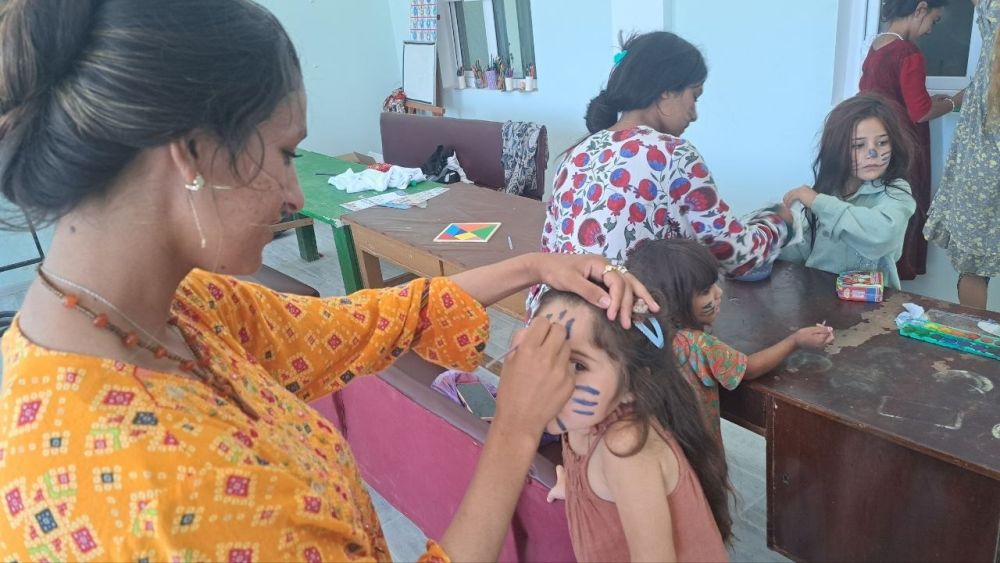
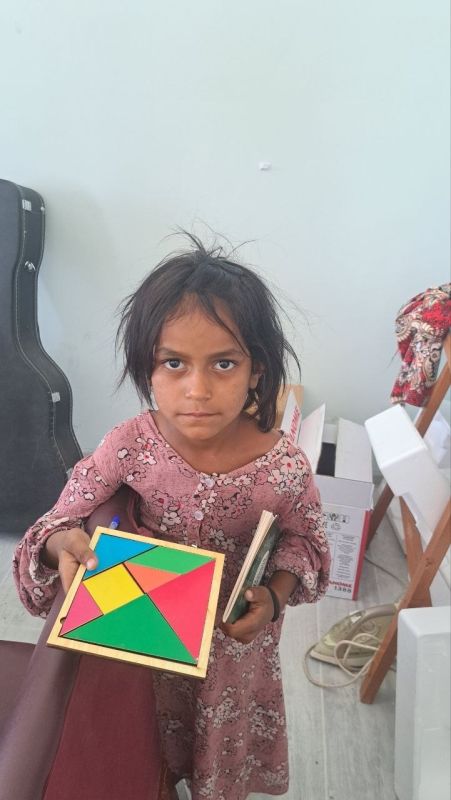
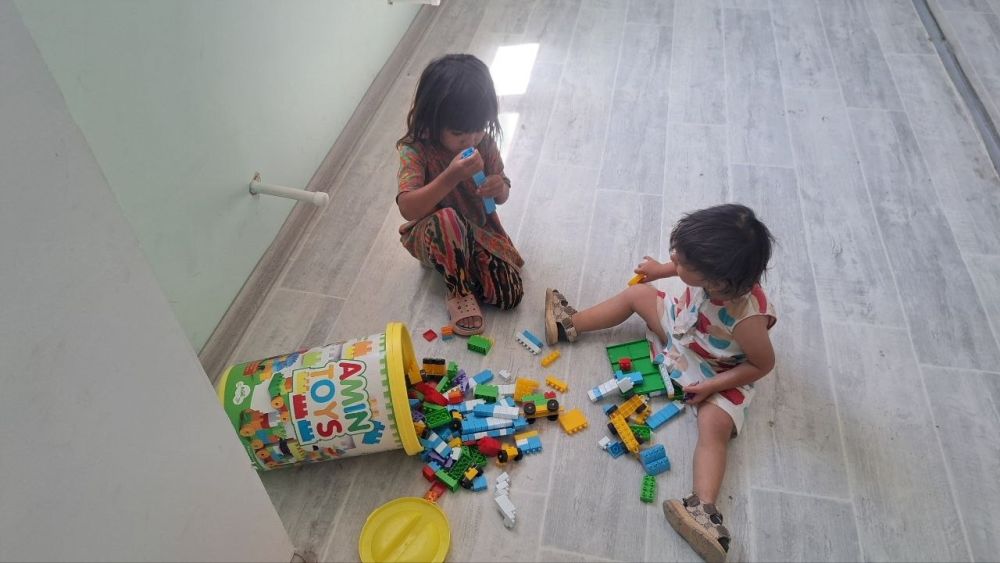
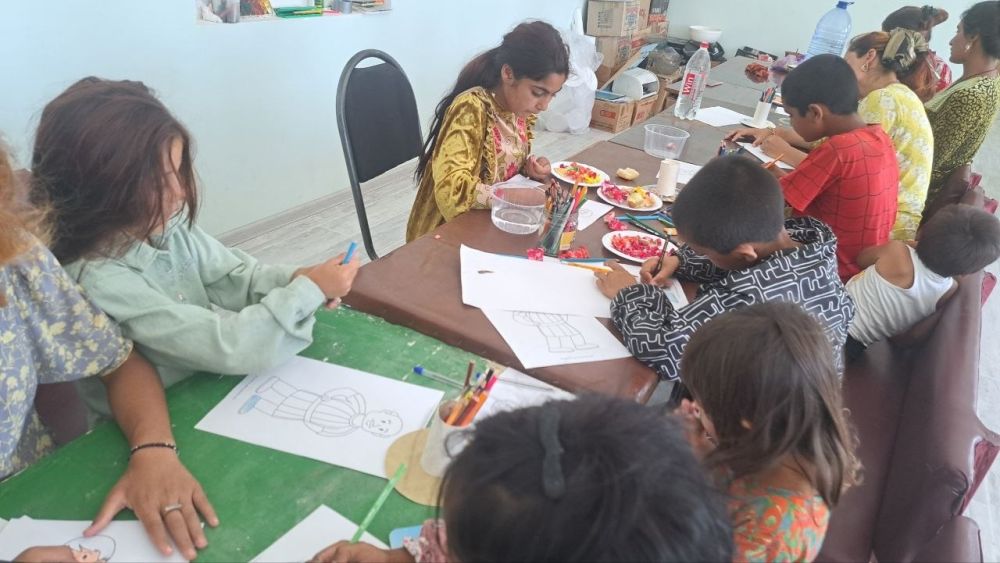
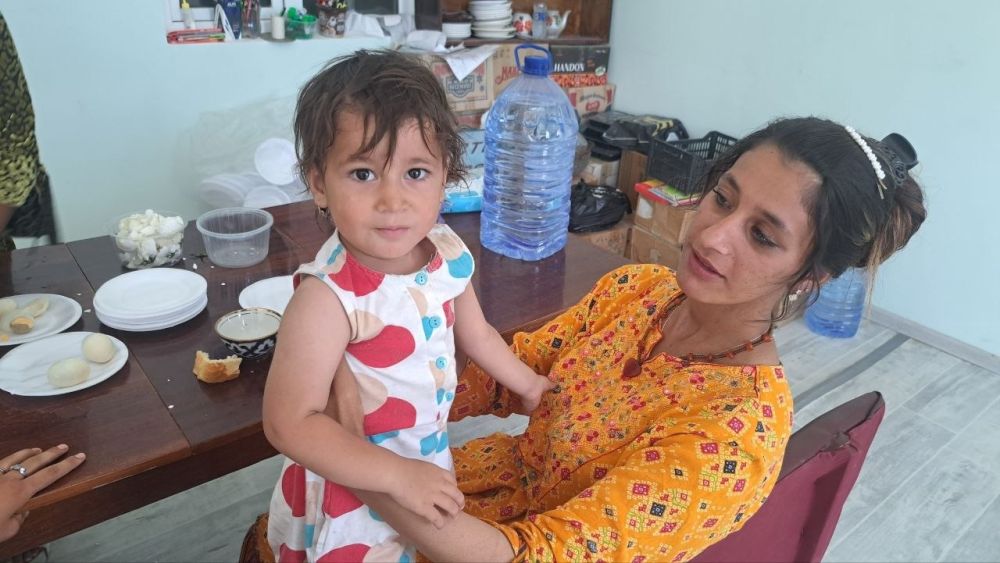
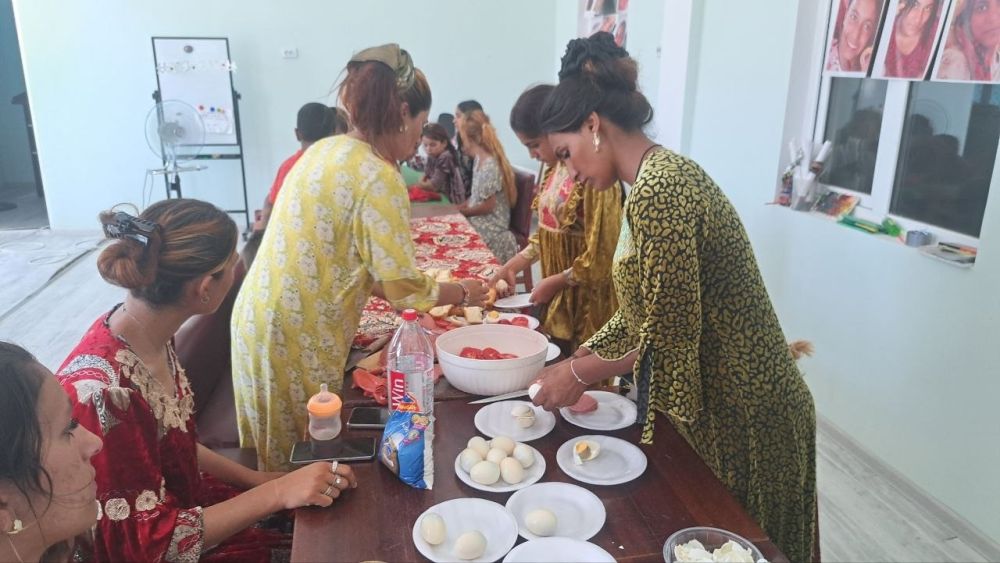
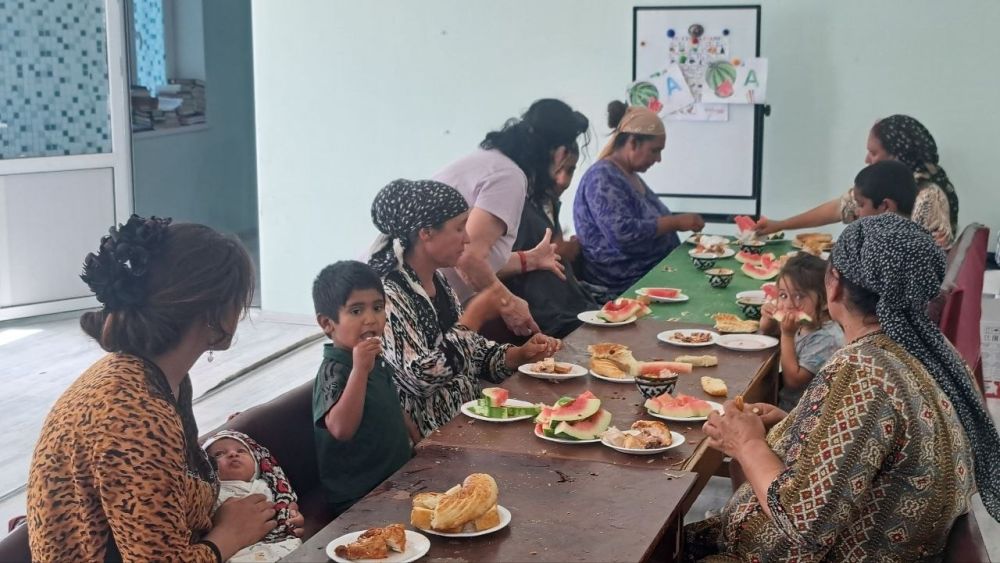
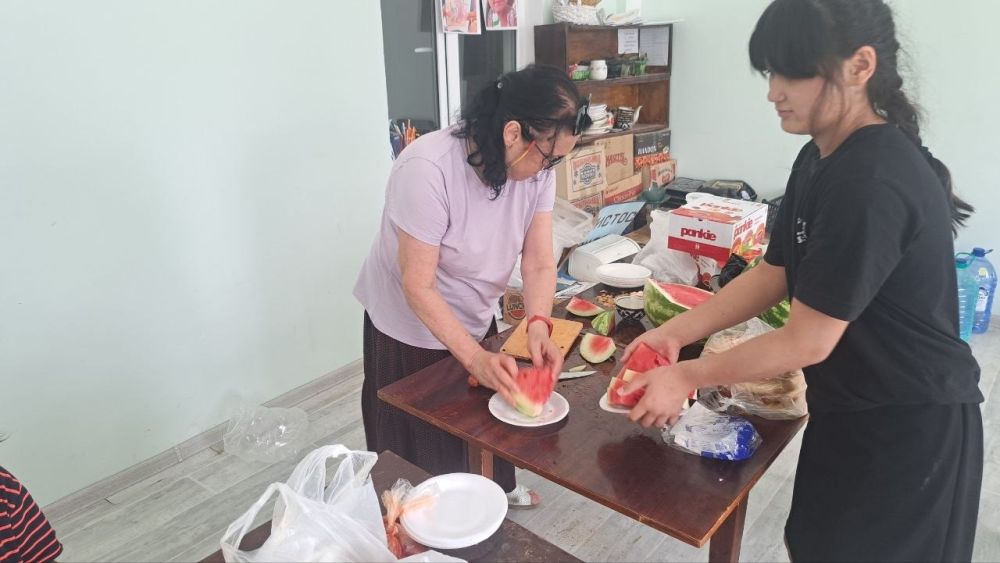
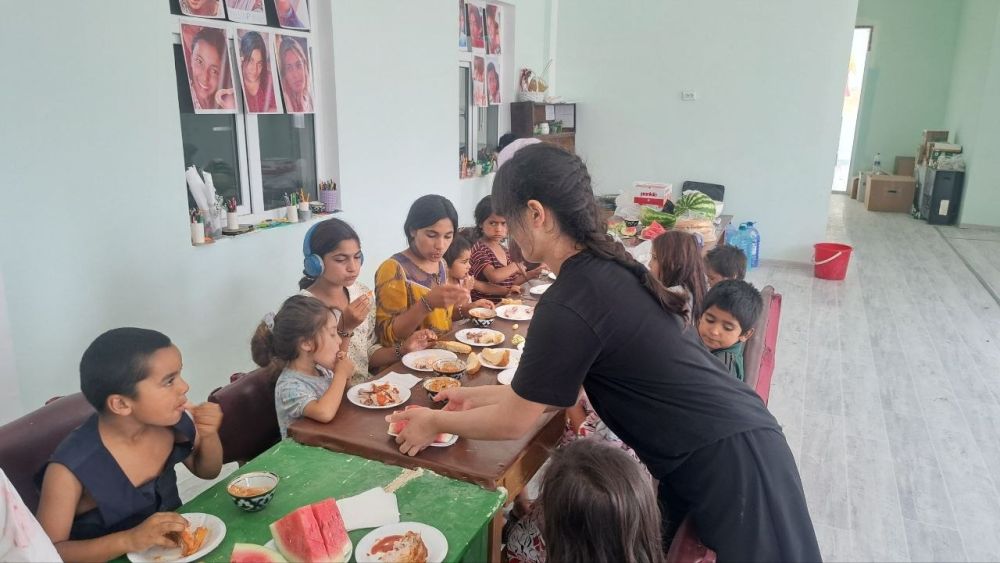
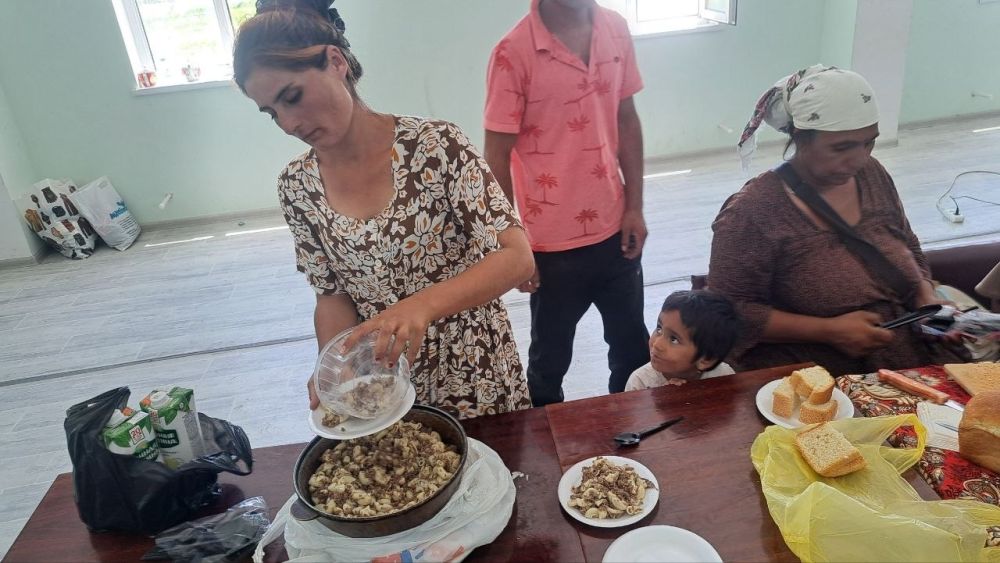
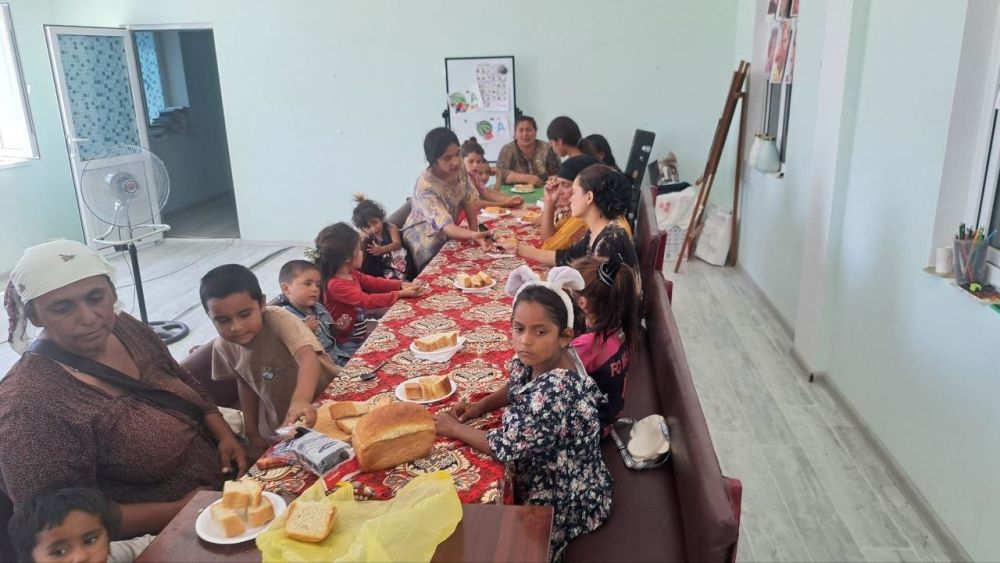
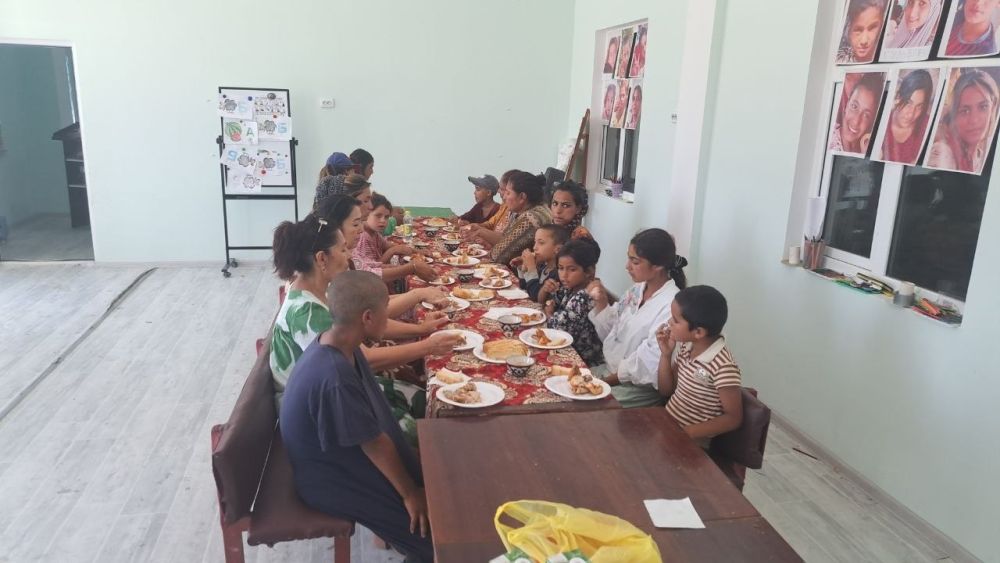
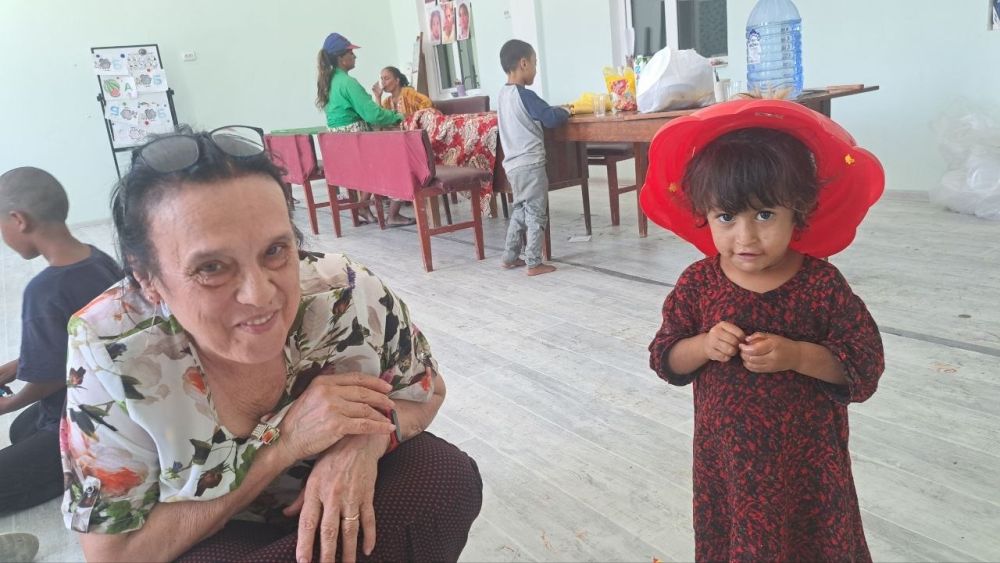
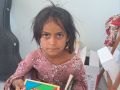
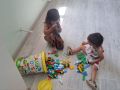
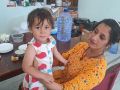
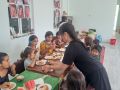
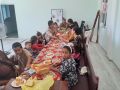
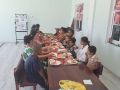
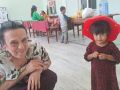
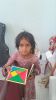
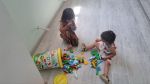
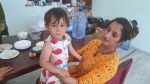
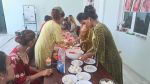
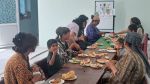
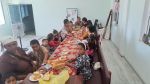
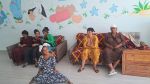
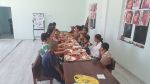
Recently, three more women joined the sewing classes, each bringing small children with them. At the last meeting there were eighteen children altogether. Whenever possible, the ministry team also spends time with them. It is obvious that many of these children arrive hungry and eagerly wait for lunch.
The Mugata women face another serious problem as well. Nearly all of them have used nasvai since early childhood. Nasvai is a traditional Central Asian smokeless tobacco product made from tobacco dust mixed with slaked lime or ash (to create an alkaline environment), oils, and sometimes spices. The mixture is placed under the lip or inside the cheek, allowing nicotine to be rapidly absorbed through the lining of the mouth. It produces a brief feeling of relaxation, mild dizziness, and a burning sensation.
Medical professionals consider nasvai highly dangerous because it contains toxic carcinogens and other harmful substances that contribute to digestive diseases and severe damage to the mouth and oral tissues.
Some of the women who have attended previous classes now understand both the physical harm and the spiritual sinfulness of using nasvai. Yet they find themselves unable to break a habit they have had for many years.
"Aziza," Vera once said, "you prayed, asked the Lord to forgive your sins, and invited Him into your heart. Now your body is the temple of the Holy Spirit. Yet you continue to poison that temple with nasvai."
"I want to quit," Aziza replied through tears, "but I can't. I keep craving it, and I can't resist."
"You're probably right—you won't be able to overcome it by yourself," Vera answered gently. "After all, you've been using it since childhood. But now you know Someone who can help you. Pray to Him, and ask Him for strength."
The Mugata people's journey to the Lord is not an easy one. Their lives are filled with temptation and hardship. They live in deep spiritual darkness, and without Christ, that road leads to eternal separation from God. It takes many prayers and much sacrificial ministry for even a few of them to be rescued.
Please pray for this ministry.
Pray that no one would hinder this work, that Mugata hearts would be opened to the Good News, and that many would be born again. Pray for protection, wisdom, and strength for the small team of workers faithfully serving among the Mugata and seeking to bring them the hope of Christ.
Stand with us in prayer for the souls of the Mugata people, and may the Lord richly bless you.
Olga Avetisova